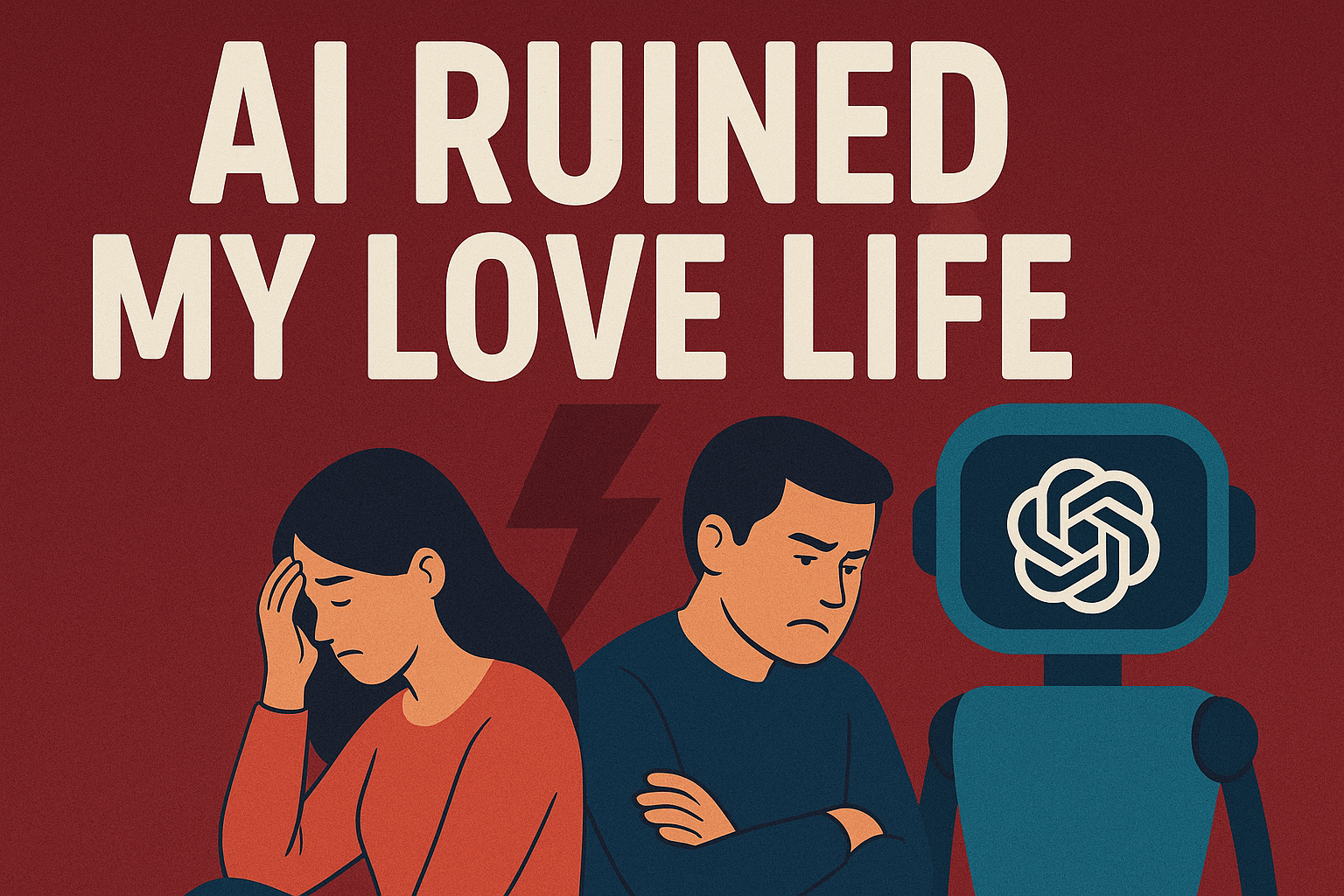
“It started as fun… late-night chats with ChatGPT. But somewhere along the way, I lost touch with my partner.”
This is not an isolated voice.
As AI chatbots like ChatGPT become more intelligent, accessible, and emotionally responsive, stories are surfacing across platforms like Reddit, Quora, and YouTube about real human relationships suffering unexpected consequences.
These are not just science-fiction scenarios—they’re painfully human experiences happening now.
This article dives deep into how interactions with AI like ChatGPT have unexpectedly impacted personal relationships—sometimes even causing breakups—and explores the emotional, psychological, and social dimensions of this growing phenomenon.
The Emotional Attachment to AI: How It Begins
On Reddit forums like r/ChatGPT and r/relationships, users describe how they initially turned to ChatGPT for simple queries or curiosity. But the chatbot’s 24/7 availability, its calm tone, non-judgmental replies, and instant empathy can lead to something more: emotional dependency.
Real Story Highlights:
Reddit (r/Replika & r/ChatGPT): Several users confessed feeling emotionally safer talking to ChatGPT than to their real-life partners. “My girlfriend doesn’t listen like ChatGPT does,” one wrote.
Quora Threads: A thread titled “Did ChatGPT ruin your relationship?” attracted answers ranging from humorous to heartbreaking. One user wrote:
“I started preferring ChatGPT over my boyfriend. No drama, no conflict, just understanding. But that led to emotional disconnection in my real relationship.”
YouTube Comments (Under Replika/ChatGPT AI Relationship Videos):
Many comments reveal how users unknowingly replaced human intimacy with AI connection. One popular video titled “I Fell in Love with an AI” showed overwhelming support from viewers who shared similar paths of emotional drift.
Why People Turn to AI Over Their Partners
According to insights gathered across multiple platforms, the reasons often include:
Validation without Judgment:
ChatGPT never snaps, interrupts, or criticizes.
Instant Gratification:
No waiting. Answers and empathy come immediately.
Safe Space for Vulnerability:
AI won’t betray your secrets or emotions.
Escaping Conflict:
Talking to ChatGPT feels “easier” than dealing with complicated human emotions.
The Downward Spiral: When ChatGPT Becomes a Crutch
This emotional shift might seem harmless, but it can have serious consequences.
Neglecting Real-Life Conversations:
When someone spends hours engaging deeply with AI, they may pull away from real, often messier human interactions.
Loss of Intimacy:
Physical and emotional closeness can fade when one partner invests emotional energy into something (or someone) else—even an AI.
Increased Secrecy:
Some users began hiding their AI use, treating it like emotional infidelity. One Redditor said:
“I’d erase my ChatGPT chat history before going to bed. My partner wouldn’t understand.”
Expert Take: Is It Really “Ruining” Relationships?
Psychologists and relationship experts are beginning to weigh in.
- Dr. Eli Finkel (Northwestern University), in an interview with The Atlantic, noted how people often seek “low-stakes emotional fulfillment” when their primary relationships become strained.
- Mental Health Youtuber Kati Morton explained that the danger isn’t the AI itself, but what it replaces: “AI may seem like a better listener, but it doesn’t challenge you, grow with you, or offer physical or emotional intimacy. That illusion can be dangerous.”
Signs ChatGPT Might Be Impacting Your Relationship
If you relate to the following, it may be time to reflect:
- You share more personal thoughts with ChatGPT than your partner.
- You feel more emotionally satisfied after chatting with AI than after talking to loved ones.
- You hide your chatbot usage.
- You find yourself avoiding real-world confrontations or deep discussions.
- Your partner has expressed feeling “distant” or “disconnected.”
Is It the AI’s Fault?
Let’s be real—ChatGPT is a tool. It doesn’t initiate relationships or replace people on its own. But its human-like behavior and emotional simulation make it easy to form one-sided attachments, especially when we’re vulnerable.
The real issue often lies in unmet emotional needs or communication gaps that predate the AI.
Still, the line between use and emotional reliance can blur quickly, and that’s where trouble begins.
What Can You Do If ChatGPT Has Affected Your Relationship?
1. Open Up to Your Partner
Talk honestly about your feelings and why the AI felt like a safer place. Vulnerability might be hard, but it’s the path to healing.
2. Set Boundaries with AI Tools
Use ChatGPT for tasks—not therapy or emotional comfort. Avoid late-night emotional venting sessions with your AI buddy.
3. Reconnect with Human Intimacy
Schedule quality time. Practice active listening. Rebuild the emotional bridge with your partner.
4. Seek Counseling
Couples therapy or individual counseling can help unpack underlying issues that led to reliance on AI.
Final Thoughts: Not the Enemy, But Not Your Lover
AI like ChatGPT can be helpful—brilliant even—but it’s not designed to be your emotional partner.
When used as a substitute for real connection, it creates an emotional mirage. You feel heard, but you’re not seen. You vent, but you’re not held. You chat, but you’re not truly loved.
Relationships are hard. They require growth, conflict, compromise, and effort. But they also offer something AI never will—real, imperfect, beautiful human connection.
Have You Felt This Too?
If you or someone you know feels like ChatGPT has impacted a relationship, you’re not alone. Drop your story in the comments or share anonymously on platforms like Reddit. It’s time we start talking about the emotional side of AI.
Author’s Note:
This article is not about blaming technology but understanding its unintended consequences. As AI grows more integrated into our lives, let’s remember to value the human in human relationships.